
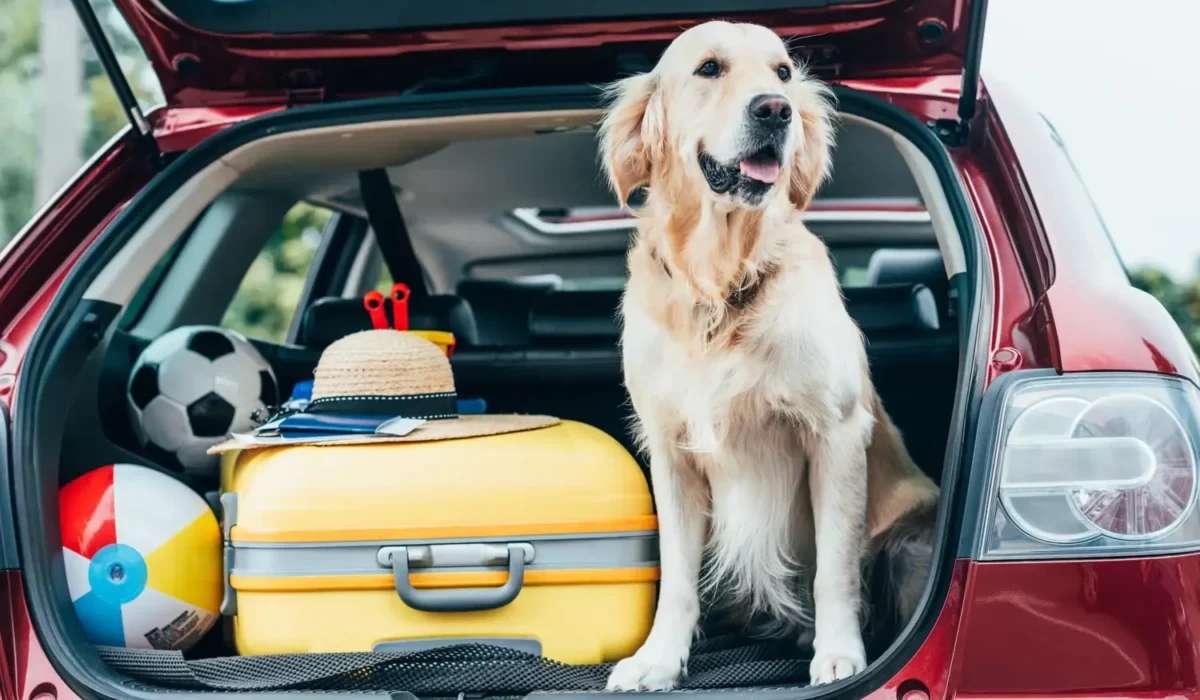
What to Do With Dogs While Traveling A Complete companion to Travel
Traveling with your dog can be an incredibly joyous experience. Opening doors to new places, adventures, and relating moments. Still knowing what to do with dogs while traveling is pivotal to insure both your safety and theirs. Proper planning can reduce stress, help mishaps. Dogs are pious companions, and participating trip guests can strengthen your relationship.
You are planning a weekend road trip, across-country trip, or an transnational adventure. This companion provides comprehensive advice to help you prepare. From transportation tips to choosing judgment . And keeping your doggy entertained, this companion covers all the rudiments.
Understand what to do with dogs while traveling :Your dog’s requirements Before the Trip
Taking time to understand what to do with your dogs while traveling !your dog’s individual requirements is an essential first step. No two tykes are likewise, and factors like age, health, disposition. And once trip experience influence how your pet will handle the trip.
Health & Preventive Care
- warhorse Visit
record a visit to your veterinarian before traveling. insure vaccinations are current. if you are traveling to areas with specific health pitfalls like ticks, fleas, or rabies.
- specifics & Supplements
If your canine has trip anxiety or stir sickness. Ask your warhorse about suitable specifics or calming supplements.
- Identify extremities
Be set for health extremities by locating near veterinary conventions at your destination.
Emotional & Behavioral Considerations
Anxiety & Stress
Some tykes are prone to anxiety, especially in strange surroundings or during trip. Feting signs like panting, whining, pulsing, or destructive gestate helps in managing their stress.
- Disposition Assessment
Understand if your canine prefers calm surroundings or thrives on exertion. This helps in planning suitable conditioning and judgment .
- Rigidity
Youngish tykes tend to acclimatize snappily. Recognizable details provide security and comfort while traveling.
Identification and Safety
- Collar and ID tags
It is recommended that ID tags contain your current contact info.
- Microchip
Consider having your pet microchip, in case your pooch gets lost.
- Leash & Harness
You should always use a sturdy leash and harness to keep your pet safe while taking breaks and going outdoors.
How to Travel with Your Dog
Each mode of transportation has special thought given to safety and comfort for our pets.
Traveling by Auto
- Safety First
A secured seat-belt harness is a reliable option.
- Comfort & Welfare
Place a familiar mask or toy in the jalopy or seat to give comfort. Keep the auto at a comfortable temperature.
- Breaks & Hydration Plan to stop every 2- 3 hours for restroom breaks, water, and stretching. No way leave your canine alone in a situated auto, especially in the heat or cold wave.
- Noise & stir perceptive
Some tykes are sensitive to auto stir or loud noises. Introduce them to auto lifts with short passages, and use comforting aids if demanded.
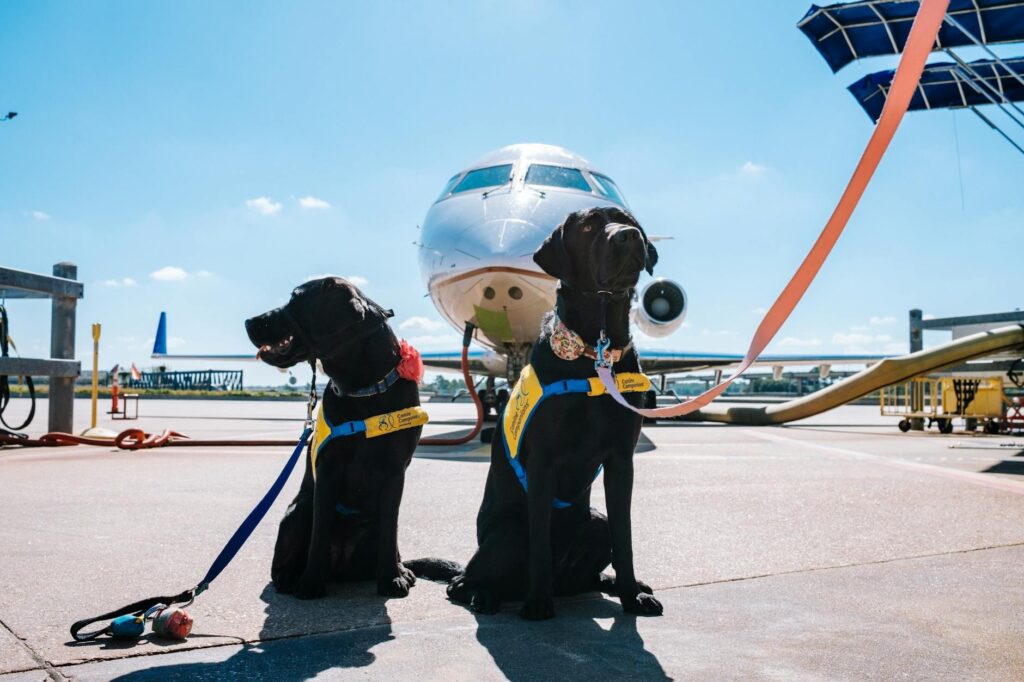
Traveling by Air
- Booking & Airline programs
Always check airline programs regarding faves well in advance. Reserve a spot for your canine , as numerous airlines have limited pet capacity.
- Preparing for the Flight Attach a familiar mask or toy inside the carrier. Avoid anodynes unless specified by your veterinarian.
- Day of Travel Avoid feeding your canine a heavy mess before the flight. give water and exercise beforehand to help reduce anxiety.
Traveling by Train or Bus
- Pet programs
Confirm with the transportation company whether faves are allowed and under what conditions.
- Transport Equipment
Use a secure carrier if needed or recommended.
- Familiar particulars
Bring familiar coverlet or toys to keep your canine calm during conveyance.
- Stay Calm
Maintain a calm station during trip, as your canine will pick up on your energy.
Finding Dog- Friendly lodgment
vital aspects of what to do with tykes while traveling is securing suitable lodgment .
Overlook this until the last nanosecond. which can lead to stressful situations or being forced to leave your pet before.
How to Find Pet- Friendly Lodging
- Programs & freights
Review each place’s specific pet policy. Size restrictions, weight limits, and fresh freights.
- Reviews & Conditions
Read recent reviews from other trippers. With tykes to gauge the place’s benevolence and cleanliness.
- Location & Environment
Choose judgment with out-of-door space or propinquity to premises , trails, or walking areas.
Preparing for Your Stay
- Pack the rudiments
Bring your canine’s bed, favorite toys, food, coliseums, leash, and similar as waste bags.
- Routine conservation
Stick as nearly as possible to your canine’s usual routines for feeding, walks, and rest.
- Respect & Form
Leash your dog, clean up after them and respect the quiet hours and rules in place to ensure you welcome unwelcome pet trippers.
Keeping Your Dog Entertained and Calm
Tripping can at times be enticing, mainly for energetic or anxious mutts . Is important to entertain your pet while pooching.
Exercise & Play
- Pre-Trip Walks
Give your canine a good walk or play session before departure to help burn off redundant energy.
- Toys & Chews
Bring durable toys, treats, chews to keep your canine enthralled during trip.
- mystification Affluent
Use mystification toys that stimulate your canine’s mind and reduce tedium.
Calming Aids and ways
- Pheromone Sprays & Collars :Products release calming pheromones and can reduce anxiety.
- Music & Sounds : Play soft, comforting music or white noise to soothe your canine.
- Calm Environment: Keep the trip area cool, quiet, and free from loud disturbances.
Routine & thickness
- Stick to regular feeding, restroom, and rest schedules despite the changes in terrain.
- Allow breaks for stretching, drinking water, and restroom requirements during long passages.
Managing exigency Situations on the Road
Indeed with careful planning, extremities can be.
First Aid tackle
- Stock a pet-specific first aid tackle with tapes, antiseptic wipes, and any drug your canine needs.
- Include clones of medical records, exigency connections, and allergen word.
Exigency Connections
- research your travel destination veterinary hospitals and emergency pet hospitals.
- Keep their contact and directions handy using your phone or on paper making it easy and fluent.
Signs of distress
- Be alert for signs such as:
- unresponsiveness,
- shortness of breath,
- bleeding,
- vomiting,
- diarrhea,
- lethargy,
Call a vet immediately if you see any signs.
How to Keep Your Dog Comfortable During Travel
- Familiar pieces: Bring your dog’s favorite blanket or toy inside the carrier or on the seat.
- Temperature control: Keep things cool and well ventilated.
- Hydration: Offer water frequently, especially with long trips or during breaks.
- Rest stops: Have frequent breaks so your dog can take a walk and stretch his leg.
Returning Home Transitioning Back Easily
- Extra Attention
Spend quality time with your pet, snuggling or playing.
- Routine Reinstatement
Resume regular feeding, walks, and sleeping routines.
- Health Monitoring
Watch for signs of stress, illness, or injuries performing from trip.
- Traditional Reintegration
If your canine endured anxiety, operationally introduce familiar surroundings and routines.
Final studies Making Traveling With Dogs a Memorable Experience
Traveling with tykes can be one of the most satisfying aspects of pet power. Opening openings for adventures and participated gesture . Careful planning on what to do with tykes while traveling . Ensures your trip is safe, fun, and memorable for all involved. Admire your canine’s personality and limits, and knitter your trip plans consequently. Preparedness, reflection and tolerance are important.