

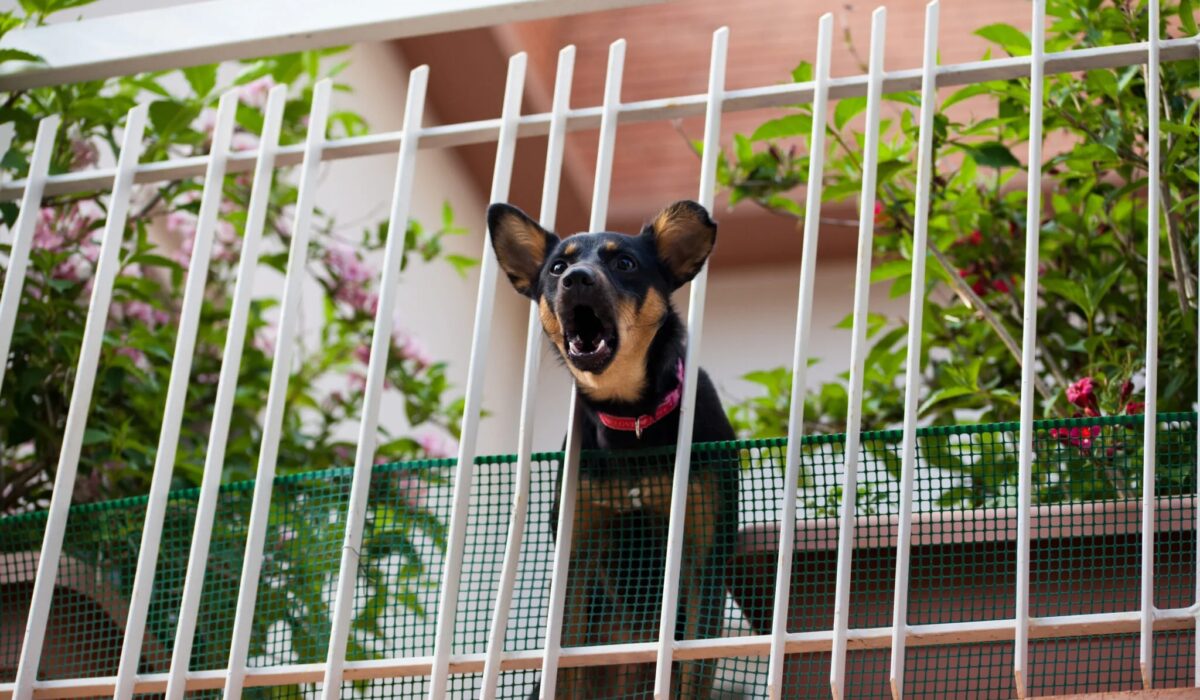
Why Do Dogs Bark at Other Dogs? Comprehension Your Pet’s Behavior
Dogs are amazing partners always show there lots of love in many ways .Their affection ,love and playing energy always incredible. They express their emotions by playing , barking , cuddling and show many other signs like barking . Barking of dogs not always mean they dislike others something the just show their gestures .when dogs bark at other dogs they are just showing their emotions that may be a sign of affection and hatred. whenever dogs barks owner must think about their barking purpose .Owner always figure out the reasons of barking .
In this essence we “ll describe the nature of dogs and their meaningful gestures.
Deep dive of dogs bark at other dogs !
Dog ‘s owner must have the information of dogs bark at others dogs. Dogs communicate are possible through body gestures and barking . Barking have many purpose , sometime dogs bark due to the uneasiness .Many times dogs show their meaningful gestures by barking . Always check the dogs environment when they bark ,it may be a sign to get rid of any harmful insects .If dog constantly uneasy and never stop bark at you then must take your dog to clinic for skin and infection check up .Moreover barking have many meanings it depends on the dog’s nature .
Context Is Key
After thoroughly analysis yours dog nature and environmental situation then take and decision. Conclusion will help you to deal with the dog’s situation, training and management techniques
The Range of Common Reasons for Barking
Let’s explore these reasons in depth:
1. Excitement and Playfulness
If dogs re social and fond of outing the they like people and other animals .When dogs are excited and energetic they start barking at others . Excitement leads to jumping , barking loudly and waging their tail .They are just behaving like kid when they are excited and happy they also start licking your feet .
Example:
Your dog always feel happy and licking you when you enter home after few hours or working .
How to Respond:
Calm your dog by petting .Give them their favorite food and appreciate their gestures .
2. Territorial and Protective Instincts
Many dogs bark while walking and when someone enter in their yard.
Example: dogs usually bark to guard their house and surroundings.
How to Handle: Nature modification benefits the dogs to feel less bully. Never punish your dog for barking give calm nature during their guard and security.
3. Fear and Anxiety
Dogs bark when they feel alone insecure nervous and threatened. Fear-based barking occurs when your dog feels threatened, nervous, or insecure. Dogs use defensive techniques like trembling, barking ,cowering.
Example: Socially inactive dogs barks very loud and shy dogs hide themselves.
How to Manage: Don’t Force your dog to interact with other people and dogs .Just create safe environment and surroundings in which they expose with people with happy heart .
4. Dominance, Control, or Aggression
Many dogs want to control or dominate over the surroundings that ‘s why the bark to show their meaningful gestures of dominance. Some dogs bark to display dominance or control in social interactions. Dogs start growling and do eye contact when the bark loud.
Example: sometimes dogs bark aggressively over others just for dominance and rank .
Important: loud and noise barking needs expert assistance .
5. Poor Socialization and Past Trauma
Pets don’t have proper expose of outside the house that ‘s why the react when. scared .Many dogs who have bear any trauma and negative memory in their life they bark out of fear and anxiety .
Example: Socially inactive dogs aggressively bark at others dogs when they go outside that house and see any new animal.
Solution: Dogs can interact with others in calm surroundings. Don`t force your to interact with others .
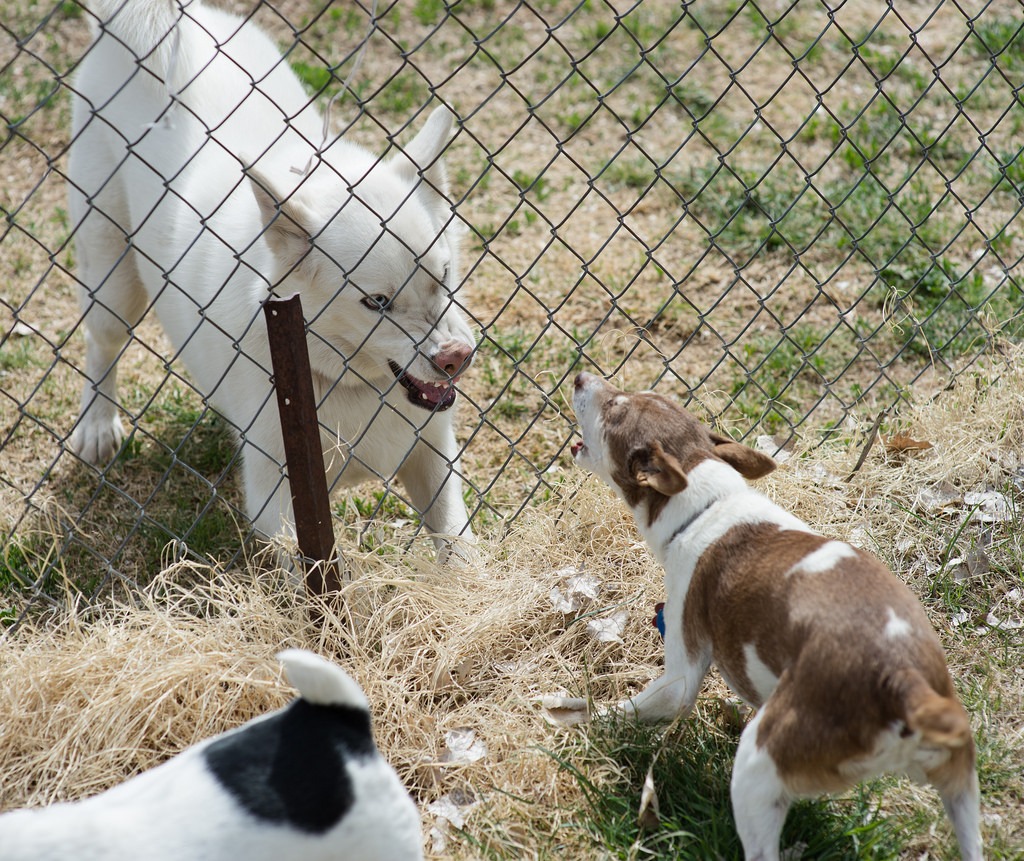
Understanding Your Dog’s Gestures:
Understanding about the dog’s body language will help you to control your dogs emotions and needs . Understanding gives you positive options to deal with dogs mood .
Excitement
- Dogs Wagging their tail (high and vigorous)
- Dogs start jumping and barking
- coming behind you
- Licking your feet
Fear or Anxiety
- Stuck tail
- Ears back
- Direct eye contact
- Hide themselves
- tremble
- Barking loudly and constantly
Aggression
- Irritation
- Stiff, stressed body
- Growling
- Erect ears
- Constantly stare
After understanding these behavioral change owners can easily avoid the harmful situation by correcting .
Training and Management Techniques
Manage yours dogs barking needs patience ,and constantly tolerate your dogs manners during training period .
1. Practice Counter-Conditioning
Step-by-step process:
- Appreciate , politely deal with your dog when they interact with others . whenever they misbehave just calm down them .
- Slowly and constantly tolerate and move towards them. Don`t go close to your dog when they reactive and over excited because the may unintentionally harm you.
2. Teach Self-Control Commands
When your dog constantly barking then you need to use Commands like “quiet,” “calm,” “leave it,” and “focus” this may helpful for reducing barking.
Training tips:
- Reward your dog after any small obedience.
- Make sure there is no distraction surroundings during training.
3. Socialization in Controlled Settings
Arrange gatherings for your dog .And normalize these gatherings for friendly training of yours dogs .Gradually increase the time period of these sessions for the positive impact on your dog. It’s helpful for reducing shyness of yours dog and give confidence .
4. Manage Environment
- Keep your dog on a leash in busy areas to prevent lunging or pulling.
- Use visual barriers like fences, parked cars, or hedges during walks if your dog reacts to passing dogs.
- Avoid high-stimulation environments until your dog is better socialized.
5. Focus on Enrichment and Exercise
Well trained and exercised dog never constantly bark at any one for any reason. Daily walks and Exercise can calm down your dog and reduce barking . Different games like puzzle , playing with toys can help in training.
6. Consider Professional Assistance
After putting every effort but your dog’s barking is intense then consult any certified trainer for help . Certified trainer can easily develop the good habits in your dog and make an individual plan for your dog .
Strategies for Peaceful Dog Interactions
- Use distraction tools: When your dog start barking then detract them by showing their favorite toys and balls .This gestures helpful in reduce barking.
- Create calm routines: Constantly make schedule for your dogs betterment and confidence. Social activities is helpful in attending good habits.
- Use calming aids: Products such as calming sprays, collars, or natural supplements might help reduce anxiety. Consult your veterinarian before use.
- Avoid punishment-based training: Stay away from punishments when your dog is not happy and angry.
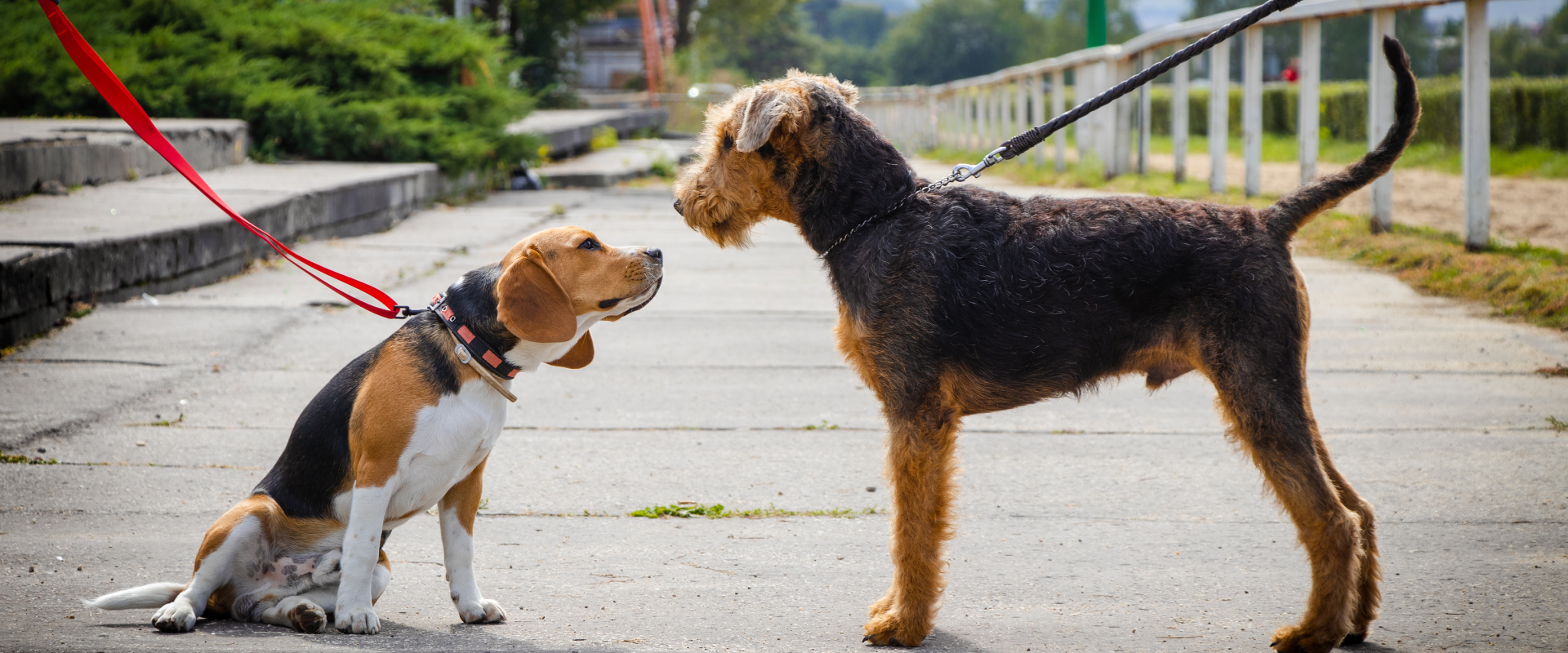
Approaches and Considerations
Dog-Specific Behavioral Patterns
Every dog is special and unique and some dogs have habits of reactive barking. Some bark for security and protection purpose.
Socialization Tips
- Puppies best age for socialization and training is less than 16 weeks.
- Encourage them for their good habits and behaviour.
- Expose them according to their moods and emotions .
- Take classes for dogs socialization training and guidance.
Handling Reactive Dogs
Reactive dogs need more guidance training and more tolerance about their meaningful gestures. Reactive dogs can be handled by showing their favorite food and toys .
Recognizing When to Seek Veterinary Help
Excessive or sudden barking might signal underlying health issues, such as discomfort, hearing loss, or neurological problems. Always consult your veterinarian if:
- The barking is new or increased suddenly.
- Your efforts at training and management are ineffective.
In some cases, medication or anti-anxiety treatments suggested by your vet can complement behavioral training.
Final Words: Patience, Understanding, and Building Confidence
“Why do dogs bark at other dogs?” requires patience, empathy, and consistent effort. Your goal is to help your dog express themselves appropriately, feel safe, and enjoy positive social experiences.
By systematically understanding your dog’s triggers, applying positive reinforcement techniques, and seeking professional help when needed, you can foster confidence and calmness in your dog. Over time, your dog will learn to navigate social situations more comfortably, leading to fewer stressful encounters and a stronger, trusting bond.
Changing behavior doesn’t happen overnight, but with persistent, loving effort, your dog can become more relaxed and enjoyable to be around—especially when seeing other dogs.


2 Comments